
What Can Alpha-1 Mean for Your Lungs?
Here's what you'll learn on this page:
Below-normal alpha-1 protein levels may lead to increased risk of chronic lung conditions (COPD, emphysema, or bronchitis) when combined with lifestyle and environmental factors
People with Alpha-1–associated COPD are more likely to experience exacerbations, sometimes called flare-ups
Understanding your protein levels helps you have informed conversations with your care team and take steps to manage your long-term health
Symptoms can look different for everyone, which is why understanding your personal exposure to Alpha-1 risk is important
Below-normal alpha-1 protein levels may affect how well your lungs can protect themselves from potential damage caused by overactive neutrophil elastase over time. Respiratory symptoms of Alpha-1 can vary widely—from how they first appear to how severe they become and how quickly they progress.
Here's what to watch for:
Breathing
- Are you experiencing new or worsening shortness of breath (especially with activity)?
- Are you experiencing chest tightness or pain?
- Are you experiencing wheezing?
- Are you experiencing increased coughing or changes in your cough?
- Are you experiencing changes in mucus (amount, color, or thickness)?
Exacerbations (flare-ups)
- Are they happening more often than before?
- Are they getting worse or harder to recover from?
Does Alpha-1 resemble other respiratory conditions?
The lower your alpha-1 protein levels, the higher your potential risk of lung disease
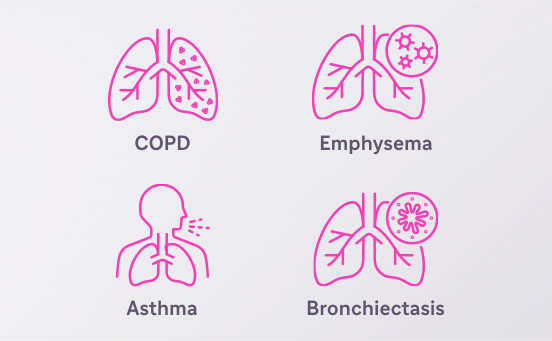
People living with less of the alpha-1 protein can present symptoms that mirror these conditions:
- COPD (chronic obstructive pulmonary disease)
- Emphysema
- Chronic bronchitis
- Bronchiectasis and asthma
Did you know?
A study looked at 118 people living with Alpha-1 who were aged 18 years or older with severely deficient protein levels. Most of these people were ex-smokers or current smokers. The study found that up to 72% of deaths in these Alpha-1 patients were caused by emphysema.
Understanding exacerbations
Exacerbations are when breathing problems suddenly become worse, often requiring extra treatment or hospital stay.
How often do exacerbations happen?
People with Alpha-1 associated COPD may experience more frequent and longer-lasting exacerbations than those with COPD alone.
Study Design and Results:
In a comparison of two different studies, one study looked at exacerbations in people with Alpha-1–associated COPD. The other study looked at people with COPD alone.
- When comparing the studies, it was shown that exacerbations happen more often and last longer in people with Alpha-1–associated COPD compared with those who have COPD alone
- Study 1 (Alpha-1): 5 exacerbations per year
- 19 patients who all had a Z allele in their genotype (eg, MZ, SZ, ZZ); average age was 52 years
- 19 patients who all had a Z allele in their genotype (eg, MZ, SZ, ZZ); average age was 52 years
- Study 2 (COPD): 2.5 exacerbations per year
- 132 patients who had moderate-to-severe COPD
- Study 1 (Alpha-1): 5 exacerbations per year
How long do exacerbations last?
Exacerbations in people with Alpha-1 typically last about 14 days (ranging from 7–21 days)—about twice as long as typical COPD exacerbations.
Study design:
- In a comparison of two different studies, one study looked at exacerbations in people with Alpha-1–associated COPD. The other study looked at people with COPD alone
- Study 1: 265 patients with Alpha-1 who had severe protein deficiency; 187 were ex-smokers, 61 were never-smokers, and 17 were current smokers; average age was ~50 years
- Study 2: 101 patients with moderate-to-severe COPD; average age was ~67 years
Talk to your doctor
about how your alpha-1 protein levels may be affecting your exacerbation risk and overall health.

How does lung function decline?
Your doctor may order a breathing test called a PFT (pulmonary function test) to see how well your lungs are working. Based on these results, your doctor will work with you to create a plan.
Below-normal alpha-1 protein levels may increase the risk of losing lung function—even if you're not experiencing noticeable symptoms. And because Alpha-1 may affect other parts of your body, it's important to understand your full health picture.

Permanent lung damage may occur and can get worse over time.
How can Alpha-1 impact your daily life?
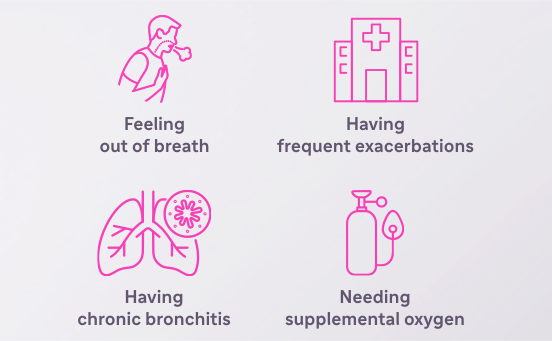
Living with below-normal alpha-1 protein levels can make daily tasks and physical activities more challenging. In a study of nearly 4700 people living with Alpha-1 and lung disease, most of whom had severely deficient genotypes, reported that doing daily tasks was most strongly affected by:
- Feeling out of breath
- Having frequent exacerbations
- Having chronic bronchitis
- Needing supplemental oxygen
Alpha-1 can affect more than your lungs
Alpha-1 can affect multiple parts of your body. While lung disease is the most common concern, below-normal alpha-1 protein levels can also impact other parts of your body, including:

Liver
In some people with Alpha-1, the alpha‑1 protein builds up in the liver because it isn’t shaped the right way. This keeps the protein from being released into the bloodstream, leaving it trapped in the liver and possibly leading to liver disease.

Other parts of the body
Panniculitis is a rare skin manifestation of alpha-1 deficiency. It occurs in patients with more severe protein deficiency and has been reported in a variety of genotypes, including ZZ, MZ, SS, and MS. Panniculitis probably occurs in fewer than 1 out of every 1000 individuals, and most reported cases have occurred in patients with severe alpha-1 deficiency.
Understanding your risk can support better long-term outcomes


Frequently asked questions
How can Alpha-1 affect the lungs?
In people with Alpha-1, the body doesn't have enough working alpha-1 protein to keep an enzyme called neutrophil elastase in balance. Over time, that enzyme can gradually damage healthy lung tissue— which is why Alpha-1 is closely linked to emphysema.
Is emphysema the same as Alpha-1?
Not exactly. Emphysema is a type of lung damage. Alpha-1 is an inherited condition that can cause emphysema when low alpha-1 protein levels may leave the lungs at higher risk. Some people with emphysema have Alpha-1 without knowing it—which is why testing for Alpha-1 matters.
Can lung damage from Alpha-1 be reversed?
Damage that's already happened usually can't be undone, but understanding your alpha-1 protein levels and working with your doctor can help you monitor your lung health and plan care going forward. Catching changes early is key.
Why do my symptoms feel different from other people's?
Everyone's experience with Alpha-1 is different. Your symptoms can depend on your genotype, your alpha-1 protein levels, your lung health, and things like smoking or environmental exposures. That's why understanding your personal risk is important.
Does Alpha-1 affect anything besides the lungs?
Alpha-1 is known for affecting the lungs, but it can affect other areas too. Your doctor can help you understand what to watch for based on your individual health.
What should I do if I think Alpha-1 is affecting my lungs?
Talk with your doctor. Ask about your alpha-1 protein levels, your genotype, and what your results mean for your lungs.