

Getting Tested for Alpha-1 Antitrypsin Deficiency
Here's what you'll learn on this page:
Genetic testing is the only way to know if you or a family member has Alpha-1 antitrypsin deficiency (Alpha-1)
Hear what people living with Alpha-1 have to say about Alpha-1 testing and finally getting diagnosed
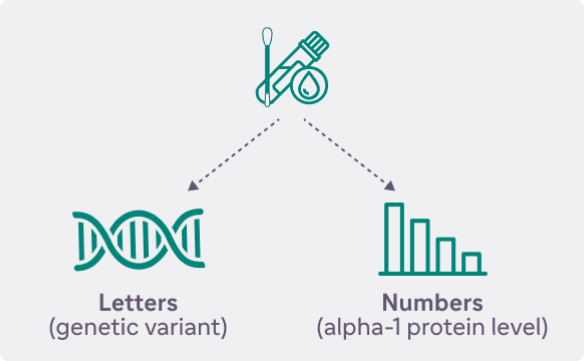
The test can identify your letters (genetic variant) and your numbers (alpha-1 protein level), which can help you and your doctor plan for the path ahead.
Alpha-1 testing can be done at home or in a doctor’s office. A simple test can identify your SERPINA1 genotype and alpha-1 protein level
Could your symptoms be connected to Alpha-1?
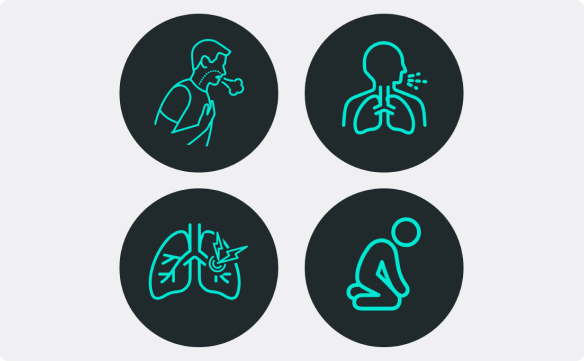
Shortness of breath, a persistent cough, wheezing, and reduced ability to exercise can have many possible causes. They may be symptoms of chronic obstructive pulmonary disease (COPD), emphysema, or another lung condition—but they can also be linked to Alpha-1 antitrypsin deficiency (Alpha-1), an inherited condition that can affect the lungs and liver.
If you have unexplained lung symptoms, COPD, emphysema, or a family history of Alpha-1, ask a healthcare professional whether you should be tested. Testing is the only way to know if Alpha-1 may be contributing to your symptoms.
Why testing for Alpha-1 matters
Testing is the first step to finding answers
What if there's a reason your lungs aren't getting better? What if there is an underlying condition, silently contributing to lung damage? People living with Alpha-1 antitrypsin deficiency (Alpha-1) wait an average of 8 years for a diagnosis from the time they first experience symptoms. By then, they have typically seen three specialists before finally receiving a diagnosis. A test can help you get answers much sooner.


Testing can be done through a blood test or cheek swab.

Testing may be available in your doctor's office or at home.

Understanding your results can help you and your doctor make a plan.
Who should consider testing?
Medical experts recommend Alpha-1 testing for people with:

COPD
COPD is a chronic lung condition that can cause breathing difficulties, coughing, and shortness of breath. People diagnosed with COPD should ask their doctor about Alpha-1 testing.

Emphysema
Emphysema is a type of chronic lung disease that damages the air sacs in the lungs and can make it harder to breathe. People diagnosed with emphysema should ask about Alpha-1 testing.

Asthma that doesn’t improve with treatment
Asthma can cause coughing, wheezing, and shortness of breath. If asthma symptoms continue despite treatment, talk with your doctor about Alpha-1 testing.
Unexplained bronchiectasis
Bronchiectasis is a condition where airways become damaged and widened, which can lead to persistent coughing and repeated lung infections. If the cause is unclear, ask your doctor about Alpha-1 testing.

Family members of someone diagnosed with Alpha-1
Alpha-1 is an inherited condition caused by changes in the SERPINA1 gene. Family members of someone diagnosed with Alpha-1 may want to ask their doctor about testing for Alpha-1.
Alpha-1 is passed down through families
Alpha-1 is an inherited condition, which means it can be passed down from parents to children through changes in the SERPINA1 gene. If you have Alpha-1, your parents, siblings, and children may also have inherited an alpha-1 genetic variant.
Family members may have no symptoms—or may develop lung or liver problems over time. Testing can help relatives understand their Alpha-1 status and give them information to discuss with a healthcare professional.

An estimated 90% of people with Alpha-1 may not know they have it.

When both parents carry a disease-causing SERPINA1 variant, each child has a 1-in-4 chance of inheriting a disease-associated combination, a 1-in-2 chance of inheriting one variant, and a 1-in-4 chance of inheriting neither variant.

Testing can help family members understand their Alpha-1 status, even if they do not have symptoms.

Hear from real people living with Alpha-1
When symptoms don’t tell the whole story
Symptoms such as shortness of breath, coughing, and reduced ability to exercise can resemble other lung conditions, including asthma, COPD, and emphysema. Because Alpha-1 is inherited and often not routinely considered, identifying it may take time. If symptoms persist, worsen, or do not fully fit an existing diagnosis, ask your doctor about getting tested for Alpha-1.
For people living with Alpha-1, testing can help reveal whether an inherited condition may be contributing to their lung disease and provide answers that may inform conversations with a doctor.
It wasn’t just emphysema. Alpha-1 was part of his story.
For years, Chris was treated for asthma before being diagnosed with emphysema. Testing later revealed that Alpha-1, an inherited condition he was born with, may also have been contributing to his lung disease.

Her symptoms had an underlying cause.
Sophia saw multiple specialists before receiving an Alpha-1 diagnosis. Smoking can accelerate lung damage in people with Alpha-1. Without enough alpha-1 protein, inflammation and neutrophil elastase may damage healthy lung tissue over time. Learning that she had Alpha-1—an inherited condition she was born with—helped explain her symptoms and gave her more information to discuss with her care team.

It wasn't just her grandparents’ condition. She was also born with it.
At a family reunion, Mary Beth’s grandfather, who had Alpha-1, urged all of his 55 grandkids to get tested. Mary Beth was 21. Getting tested early helped her form a plan with her doctor to manage and support her lung health.

*Each patient story reflects the real-life experiences of individuals diagnosed with
Alpha-1. Individual experiences may vary. Patients were compensated for their time by Sanofi.
Test to take control of Alpha-1
If you've been searching for answers about your shortness of breath, getting tested for Alpha-1 could finally explain what's been going on. Symptoms alone can't determine if you have Alpha-1. Testing is the only way to know for sure.
Testing can identify your letters (genetic variant)—the combination of alleles inherited from your parents, such as MM, MZ, SZ, or ZZ—and your numbers (alpha-1 protein level), which show the amount of alpha-1 protein in your blood. Together, these help you and your doctor understand your personal Alpha-1 risk.
Frequently asked questions
What does a genetic test show?
A genetic test identifies changes in the SERPINA1 gene. Results may be reported as a genotype, using letters such as MM, MZ, SZ, or ZZ, which describe the genetic variants you inherited.
What does an alpha-1 protein level test show?
A protein level test measures the amount of alpha-1 antitrypsin in your blood. This protein helps protect the lungs, and lower levels may indicate an increased risk for Alpha-1–related lung disease.
Why might someone need both tests?
Genetic and protein level tests provide different information. A genetic test identifies inherited SERPINA1 variants, while a protein level test measures how much alpha-1 antitrypsin is present in the blood. Together, the results can give you and your healthcare professional a more complete picture of your Alpha-1 status.
Why does Alpha-1 testing matter?
Symptoms alone cannot determine whether you have Alpha-1. Testing can help identify the condition, clarify your results, and inform conversations with your doctor about monitoring and next steps.
What types of Alpha-1 tests are available?
Alpha-1 testing may include a blood test or cheek swab, depending on the testing service and your doctor's recommendation. Ask your doctor about which testing approach may be right for you.