
What Is Alpha-1 Antitrypsin Deficiency?
Here's what you'll learn on this page:
Alpha-1 antitrypsin deficiency (Alpha-1) is an inherited condition you're born with, meaning if your parents have Alpha-1, you could too
The alpha-1 protein acts like a shield for your lungs, helping to protect your lungs from potential damage
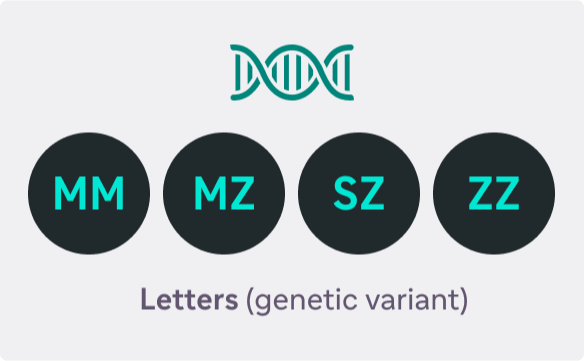
Letters such as MM, MZ, SZ, or ZZ describe your SERPINA1 genotype. Together with your alpha-1 protein level, they can help your doctor better understand your Alpha-1 profile
Alpha-1 is an inherited condition, meaning you are born with it
Alpha-1 is an inherited genetic condition caused by changes to the SERPINA1 gene that can lead to low or below-normal levels of alpha-1 antitrypsin, a protein that helps protect the lungs. Without enough alpha-1 protein, lung damage may occur when exposed to irritants and inflammation—even in people who have never smoked. Alpha-1 can also affect the liver, so COPD or another lung condition may not tell the whole story. If you have COPD or unexplained lung symptoms, ask your healthcare professional about testing for Alpha-1.
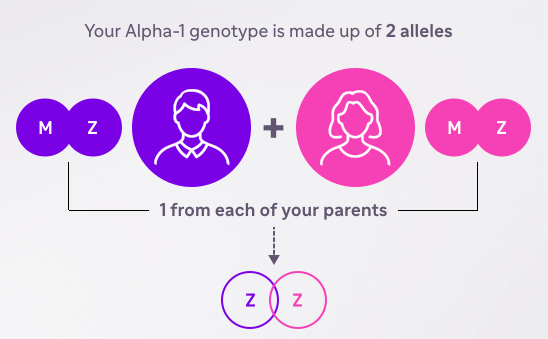
What do your Alpha-1 letters mean?
Letters such as MM, MZ, SZ, or ZZ describe your Alpha-1 genotype—the SERPINA1 variants you inherited from your parents. Your genotype can affect your alpha-1 protein level and may provide information about your Alpha-1.
People with an MZ genotype are sometimes called carriers, but they may also experience symptoms or have increased health risks. Understanding your genotype and alpha-1 protein level can help provide a fuller picture of your risk.
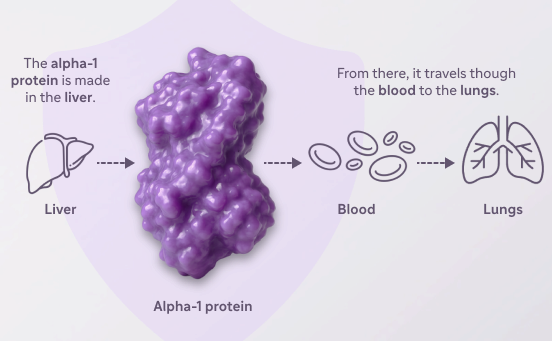
What is alpha-1 antitrypsin?
Alpha-1 antitrypsin is a protein made primarily in the liver. It travels through the bloodstream to the lungs, where it helps protect lung tissue from damage caused by inflammation.
How does alpha-1 protein work?
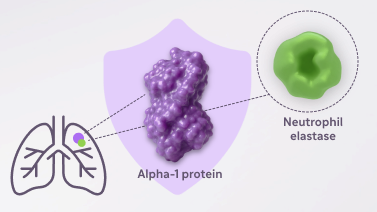
Alpha-1 protein acts like a shield for your lungs
When your body responds to infection or irritation, immune cells release an enzyme called neutrophil elastase to help fight potential threats. Neutrophil elastase can also damage healthy lung tissue if it becomes too active. Alpha-1 antitrypsin helps keep this enzyme in check—acting like a protective shield for the lungs.
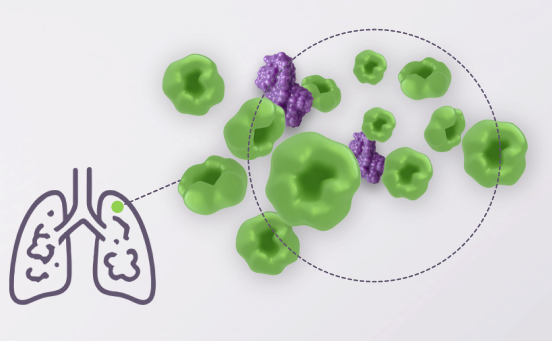
Alpha-1 protein helps protect your lungs from potential damage
If your body does not produce enough functional alpha-1 antitrypsin, neutrophil elastase may cause ongoing lung damage over time, increasing the risk of lung disease.
Frequently asked questions
What does Alpha-1 antitrypsin do?
Alpha-1 antitrypsin is a protein made primarily in the liver. It travels through the bloodstream to help protect the lungs from damage caused by inflammation.
Is Alpha-1 antitrypsin deficiency hereditary?
Yes. Alpha-1 antitrypsin deficiency is an inherited genetic condition caused by changes in the SERPINA1 gene.
Can Alpha-1 antitrypsin deficiency be passed down?
Yes. Parents can pass changes in the SERPINA1 gene to their children. The combination of gene variants inherited can affect alpha-1 protein levels and health risks.
What causes Alpha-1 antitrypsin deficiency?
Alpha-1 is caused by inherited changes in the SERPINA1 gene. These changes can result in low or below normal levels of alpha-1 antitrypsin, which may increase the risk of lung and liver disease.
Is alpha-1 antitrypsin an enzyme?
No. Alpha-1 antitrypsin is a protein, not an enzyme. It helps protect lung tissue by regulating an enzyme called neutrophil elastase, which can damage the lungs when it becomes too active.